
Genetic & Biochemical Testing
Advanced investigations that provide a detailed picture of genetic predispositions, biomarkers and how your body functions. These evaluations can support prevention, symptom clarification and the personalization of medical, nutritional and lifestyle recommendations.
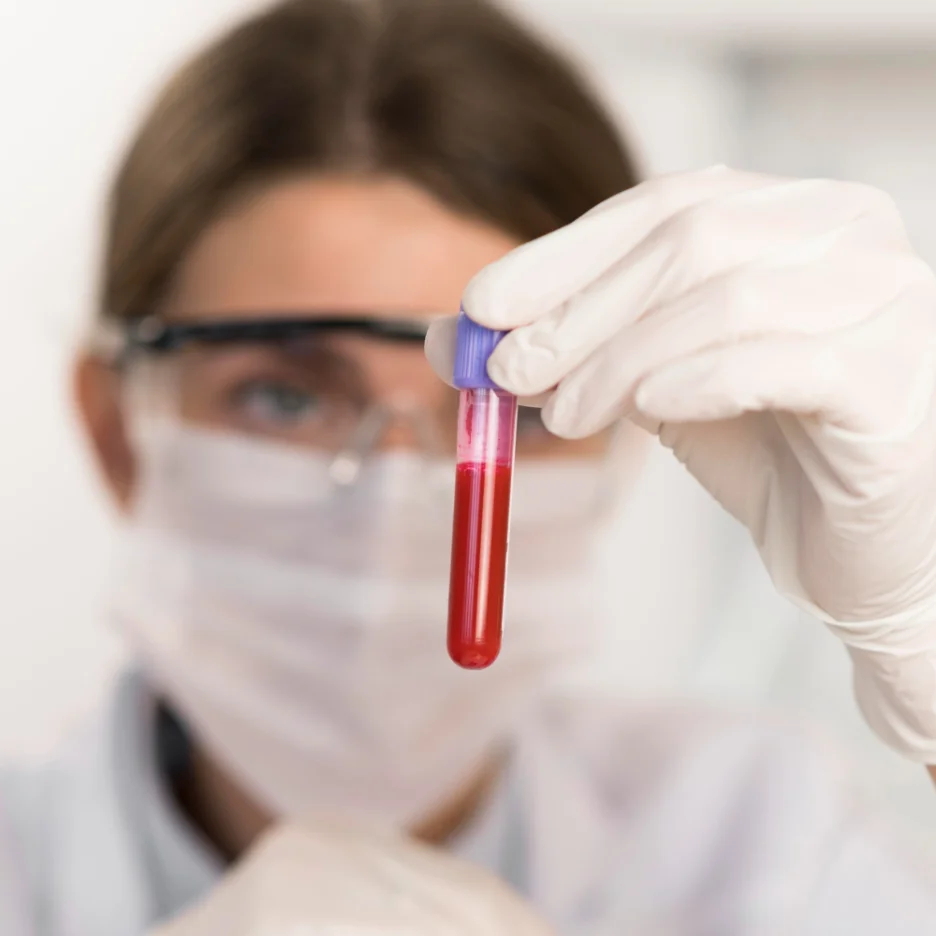
NAD Test
NAD is linked to biological age. The lab test measures total NAD (NADH and NAD+) present in all forms and blood components.
NAD deficiency can lead not only to accelerated ageing but also to conditions such as fatigue, poor sleep quality, reduced physical performance or reduced mental clarity. Testing is particularly useful if you actively supplement with compounds such as NMN, NR or NAD.
You book your sample collection by phone or e-mail.
You take the test at the clinic.
You receive your NAD level result within 15 business days.
You discuss supplement adjustments with a doctor on our team based on the result.
Genetic test categories
Lifestyle Genetic Tests
Tests focused on prevention, metabolic health, nutrigenetics, epigenetics, intolerances and lifestyle optimization. Useful for people who want to better understand the relationship between genetic profile, nutrition, inflammation, energy and longevity.
See prices →Gynecology Genetic Tests
Investigations dedicated to fertility, reproductive health, pregnancy and the assessment of genetic risks relevant to gynecology. These tests can provide useful information in contexts such as infertility, pregnancy loss, reproductive planning or prenatal monitoring.
See prices →Oncogenetics / Cardiogenetics / Pharmacogenetics Genetic Tests
Advanced tests for assessing oncological and cardiovascular predispositions, as well as for personalizing treatments based on genetic profile. Particularly useful when there is a family history, elevated risk, or a need for more precise therapeutic direction.
See prices →Price list
List prices, in lei. Certain tests include medical interpretation. For active offers, packages and tests not listed, contact us before booking.
How to choose the right test
Choosing the right test depends on symptoms, personal and family history, medical goals and clinical context. During the evaluation, our team can recommend the relevant tests and integrate the results into a personalized plan.
Process stages
Booking & initial evaluation
Choosing the right tests
Sample collection & testing
Personalized medical interpretation
Recommendations & follow-up monitoring
Why choose Longevity Clinic?
Personalized approach
We understand the cause of your symptoms and build recommendations tailored to your biological profile.
Prevention through genetic testing
We use genetics, epigenetics and biomarkers to identify risks and personalized prevention directions.
Online consultations / telemedicine
Fast, efficient online consulting, for easy access to evaluation and recommendations wherever you are.
Oncogenetics
Our oncology team uses genetic testing to guide targeted treatment for diagnosed patients and personalized prevention for relatives.
How does genetic testing help me?+
Genetic testing can help us understand why certain issues appear more easily in your case and where preventive action is worthwhile. It can provide useful information about metabolism, response to diet, inflammation, cardiovascular health, hereditary predispositions or how your body processes certain substances.
What are biomarkers?+
Biomarkers are measurable indicators that show us how your body is functioning right now. They can help us concretely investigate common problems such as persistent fatigue, low energy, difficulty concentrating, inflammation, metabolic imbalances or slow recovery.
How long until I get my results?+
It depends on the type of test. Routine tests can have results within a few days, while complex genetic tests may take several weeks. You will receive an estimated timeframe from the start, so you know when the next step can be planned.
Can genetic tests identify disease risks?+
Yes. Some genetic tests can reveal predispositions for cardiovascular, metabolic, oncological or other conditions with a hereditary component. This information can allow for closer monitoring and preventive measures tailored to individual risk.
Do biochemical tests include vitamin and mineral testing?+
Yes, when relevant. Vitamin and mineral deficiencies can contribute to symptoms such as fatigue, muscle weakness, hair loss, sleep disturbances or difficulty concentrating, and identifying them allows for a more targeted intervention.
Is a consultation needed before testing?+
For complex investigations, yes, it is recommended. The consultation helps us start from your symptoms and goals and choose only the tests that can bring useful information, avoiding unnecessary testing.
Is genetic testing suitable for anyone?+
In many situations, yes, though the right test differs from person to person. It can be useful both for people with a family history of disease and for those who want to better understand their own risks and personalize their prevention.